Staying Relevant: Treating a New Skill as an Investment
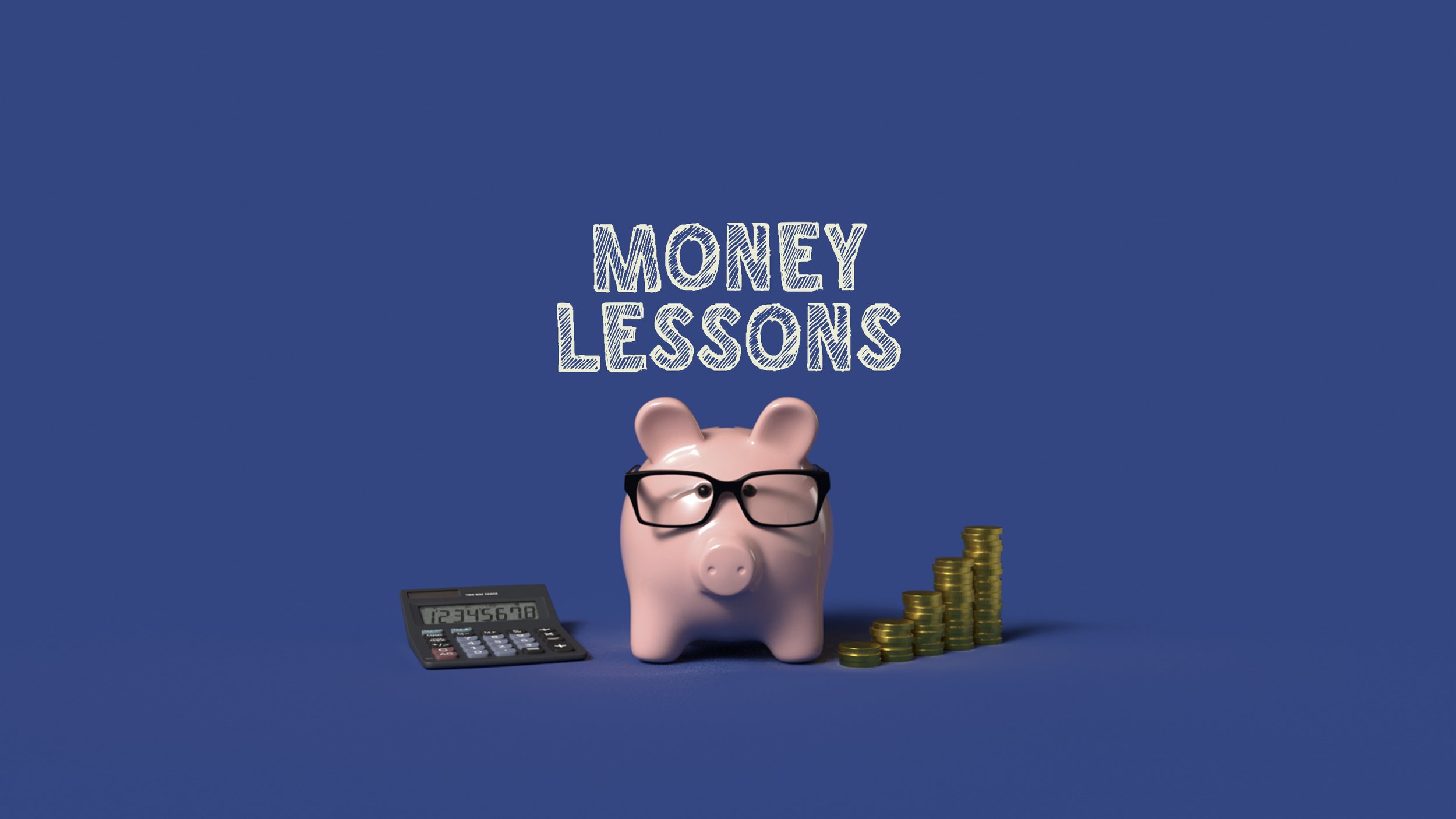
In this episode of Money Lessons, Andy treats a new skill the way he'd treat any other investment: what it costs, what it returns, and when to make it.
He defines skill gap, upskilling, and reskilling; explains why skills go stale, with the World Economic Forum's finding that workers can expect 39 percent of their skills to be transformed or outdated by 2030; and works through a $3,000 certificate step by step, counting the money, the hours, and the years the skill will keep earning.
Fun fact: an employer with an educational-assistance plan can pay up to $5,250 a year toward your education — or, since the 2025 tax law, your student loans — with no tax on it.
BE CLEAR - A Continuous Improvement Tool
When purpose and vision are not clear, the status quo becomes a warm, comfortable blanket to snuggle up in. It takes discipline to get to where you want to go. When you take a look around at the “successful” people in your life, I’d put all the money in my pocket on the bet that they all share the skill of discipline.
Learning is a Business Imperative
If your people truly are your most valuable asset, it becomes a business imperative to ensure that the skill portfolios of your team members are maintained and nurtured in good times and in bad—especially when the seas get rough.