Banking 101 and the SVB Collapse
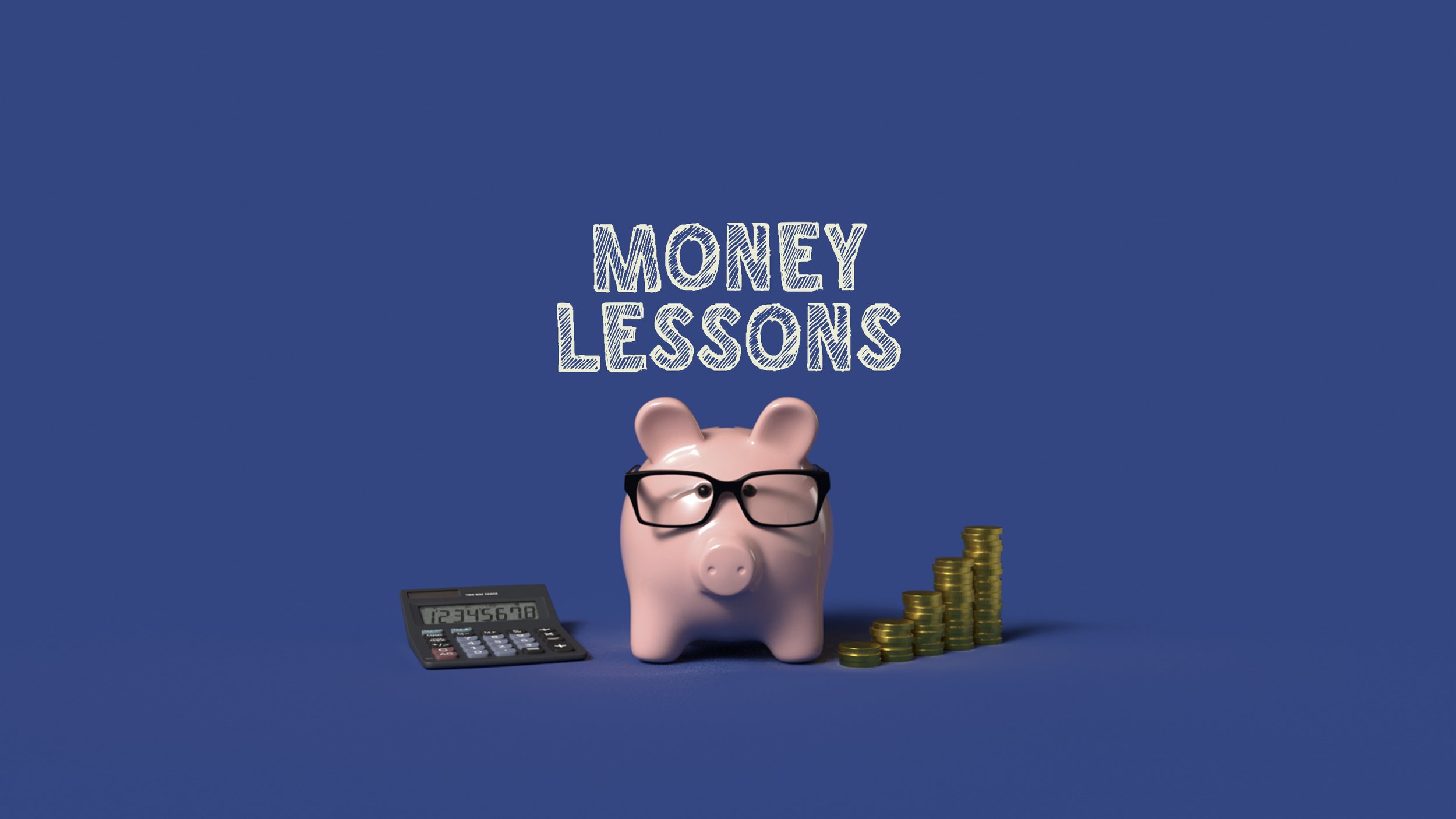
The global banking system thrives because of the unwritten social contract that exists between banks, their investors, and clients (individuals, businesses, and institutions). The banking system relies on the willingness of its customers to understand that loans (assets) are supported by deposits (liabilities) and that the predictability and reliability of the relationship between assets and liabilities is what keeps the doors of the bank open. Said differently, the entire system relies on investor and depositor confidence.
Want to Improve Engagement? Partner with the United Way!
The real magic happens when you empower and engage managers and individual contributors from multiple departments to do the heavy lifting. What a great way to get colleagues who would normally not interact with one another working together toward a common goal. Once team members see what they can accomplish together for the United Way, just imagine what they can do together to build your business! Oh, and running a campaign also has the knock on effect of introducing your colleagues to the personal benefits of philanthropy and giving back to the community! Win-win.
BE CLEAR - A Continuous Improvement Tool
When purpose and vision are not clear, the status quo becomes a warm, comfortable blanket to snuggle up in. It takes discipline to get to where you want to go. When you take a look around at the “successful” people in your life, I’d put all the money in my pocket on the bet that they all share the skill of discipline.
The Art of Self-Reflection, Part II
Remember, self-reflection is about you and your continuous improvement journey. If you find yourself focusing on others, pointing fingers, or wallowing in self-regret, you’re not engaged in self-reflection. That’s a pity party. Nobody likes to receive an invite to a pity party!
The Art of Self-Reflection, Part I
Unfortunately, there are all manner of societal pressures that make self-reflection difficult. Some label it as “fluff” or “weakness.” Some surround themselves with so many external voices and stimulation that the concept of self-reflection is foreign and uncomfortable. I’ll be the first to admit that I’ve succumbed to the narrative that “tough guys don’t reflect.” I’ll also be the first to admit that becoming more in tune with yourself through meditation and reflection is one of the best things you can do for yourself.
How to Live with Intention
So let’s say that you wake up one day and say: “Living without intention is no fun. I thought that living a care-free, happy-go-lucky life would be the way to go, but here I am, stuck in a dead-end job with no idea what comes next.” This is a great step forward, but to move from where you are to living with intention requires some work. It’s not possible to live without intention one day and begin living with it the next. So what are the necessary conditions for living with intent?
A Customer Service Story and a Moment of Silence
The reason I wasn’t surprised by their response is that I’ve become accustomed to marketers and business owners who ask for feedback, but then completely ignore it—opting instead for canned, automated responses. Remember the Seinfeld episode where they “take the reservation, they just don’t hold the reservation?” That’s how this makes me feel as a consumer. I find this behavior astonishing because why ask for feedback if you’re not going to do anything with it. Nothing says “I could care less about my customer” more than asking for feedback and then ignoring it.
Empathy and Compassion Simplified
Put as simply as possible, this is empathy—the willingness and ability to take oneself out of their own view of a situation and to ask how the other party feels about it. So if you’re looking for a quick tip on how to improve your empathy skills, use this simple question: “I wonder how ___ feels about x?”
Striving to Be a Net Giver
You might be asking, what does this have to do with business? The answer is that organizational health relies heavily on the net giver status of the employee population. If everyone is operating as a net taker, then team dynamics will suffer, fiefdoms will be built, and everyone will be looking over their shoulder for the next jab in the back. Trust cannot flourish in a net taker environment. In contrast, if you foster a culture of net giving, then alignment around goals becomes easier, teamwork and collaboration become the norm, and the success of the organization becomes a shared mindset.
Hope is Not a Management Strategy
This is why measurement and transparency are key components of any effective management operating system. If everyone has access to the same information and that information is shared consistently through time, then the gap, dare I say gulf, that can exist between the information that makes its way up to the C-suite and the reality of operations at ground level can be closed.
Where the Rubber Meets the Road
In my experience, run rate and momentum are the most important things that determine a business’s performance early in the new year. You can have glorious PowerPoint presentations that illustrate a bright, shiny New Year, but if there’s no momentum and your teams haven’t already upskilled and allocated significant resources to the plan, then you’re almost certainly going to face disappointment in Q1.
New Year’s Resolutions? Meh…
What we know about resolutions, is that most of them fail. Why do they fail? Because they’re typically not integrated into a broader long-term personal plan. Loads of energy and attention get poured into resolutions early in the year. Then time passes, entropy sets in, the inertia of the previous status quo sets in, and the hopes and dreams of New Year’s Eve are eventually dashed—leading to disappointment and regret.